
Connecticut VINE Coverage
The Connecticut Judicial Branch victim resources page presents VINE as a confidential, automated service for defendant or offender case status, including Department of Correction custody. Adult court events, custody changes, and protection-order changes all count. Alerts can arrive by phone, email, text message, an app, or TTY.
Litchfield County is a map label, not a government. No sheriff or county jail books arrestees here. An arrest may begin with Torrington Police, New Milford Police, Watertown Police, a resident trooper, Troop L, Troop B, or another agency. Torrington Police links to VINE. That link shows local awareness, not complete municipal coverage. A police report documents the arrest event.
The Judicial Branch criminal page leads to pending and disposition records for cases already in court. The DOC locator tracks state custody, and VINE notifies a registrant when a supported status changes.
How to Run a VINE Arrest Check
- Open VINELink Connecticut, or call 1-877-846-3428. TTY access is 1-866-847-1298.
- Search by first and last name, inmate number or ID, or docket or case number, depending on the view.
- Compare identifiers carefully. A name alone can match more than one person.
- Record the displayed status and retrieval time because custody can change.
- If no match appears, identify the arresting agency, then check court and DOC sources. The countywide arrest guide explains the correct routing.
A blank result can mean several things. The person may have been released before entering DOC custody, may lack a public docket yet, or may fall outside a qualifying VINE category. No match does not mean no arrest happened. For faster municipal and state options, see Arrested Today. The official DOC search guidance shows why exact matching matters so much.
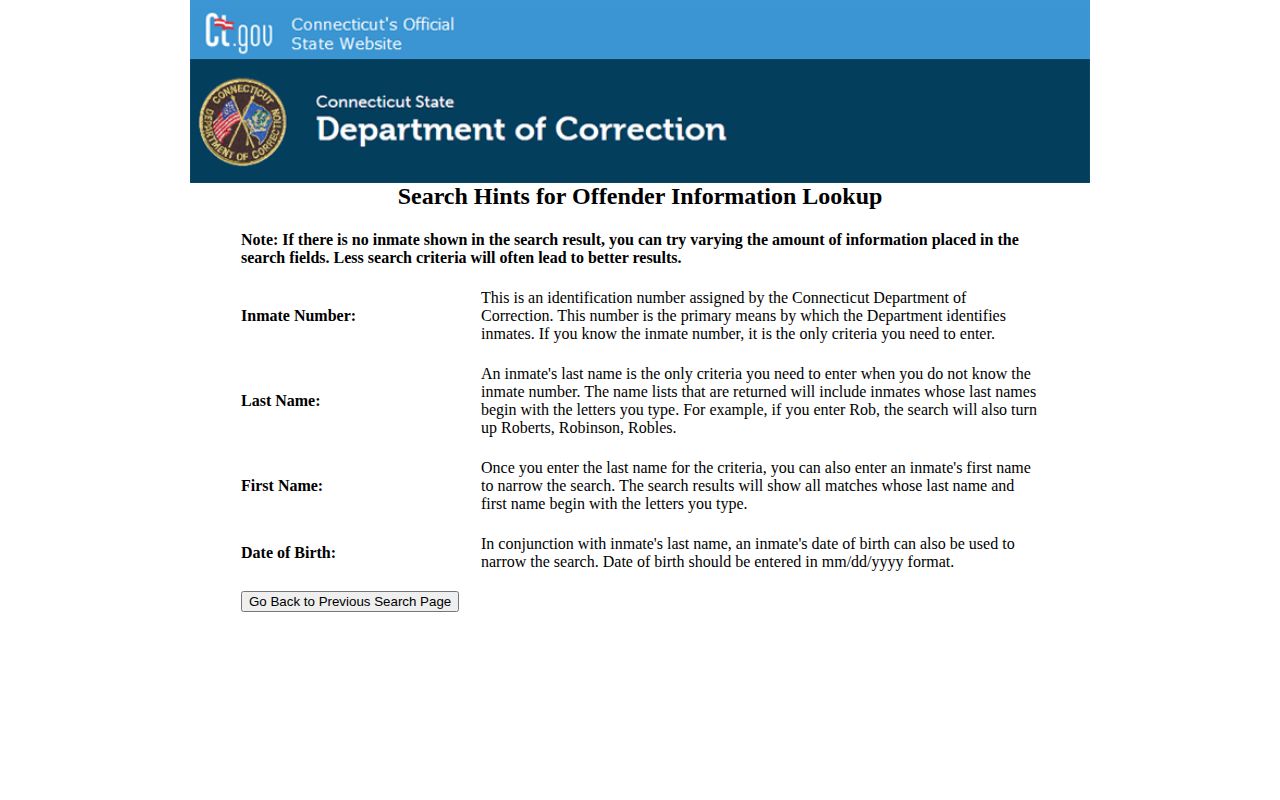
The state guidance stresses an inmate number, a birth date, and careful name comparison before trusting any match.
What VINE Shows After Arrest
| Possible item | Meaning |
|---|---|
| Name and ID | Matching tools that should be checked together. |
| Custody status | Status in the reporting system, not guilt. |
| Facility or agency | Reported custodian at retrieval time, not a universal booking destination. |
| Court or docket data | A route to case information, not the police narrative. |
| Notice event | A supported release, transfer, custody, court, or protection-order change. |
VINE does not display booking photos. The DOC is not a dependable public mugshot source either. For a specific identification photograph, ask the agency that created it. Disclosure may be blocked. Erasure, sealing, juvenile, victim, witness, privacy, or investigative rules can all stand in the way. The official Connecticut DOC interface sits alongside VINE. It serves as the other statewide custody route.
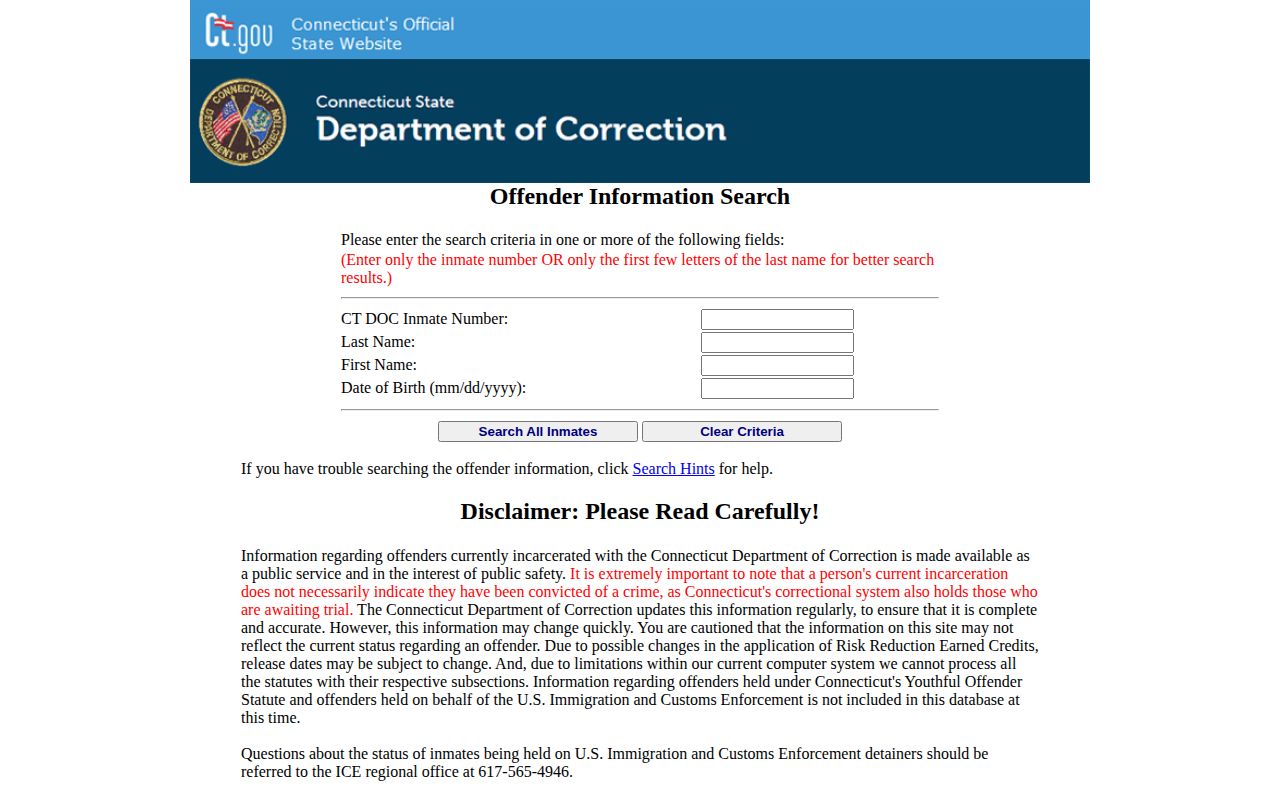
The statewide locator you see here covers state custody, not a Litchfield County jail roster.
Register for Confidential Alerts
Searching and registering are two different steps. A search checks whether a record exists; registration tells VINE to contact a private recipient after a supported event.
- Open the matching official record.
- Select the offered notification option.
- Choose available telephone, email, text, app, or TTY channels.
- Enter only required private contact details and complete confirmation.
- Keep any telephone PIN private and update contact information when it changes.
- Verify consequential notices with the custodian or court.
The official state victim-resources page confirms the assistance route.
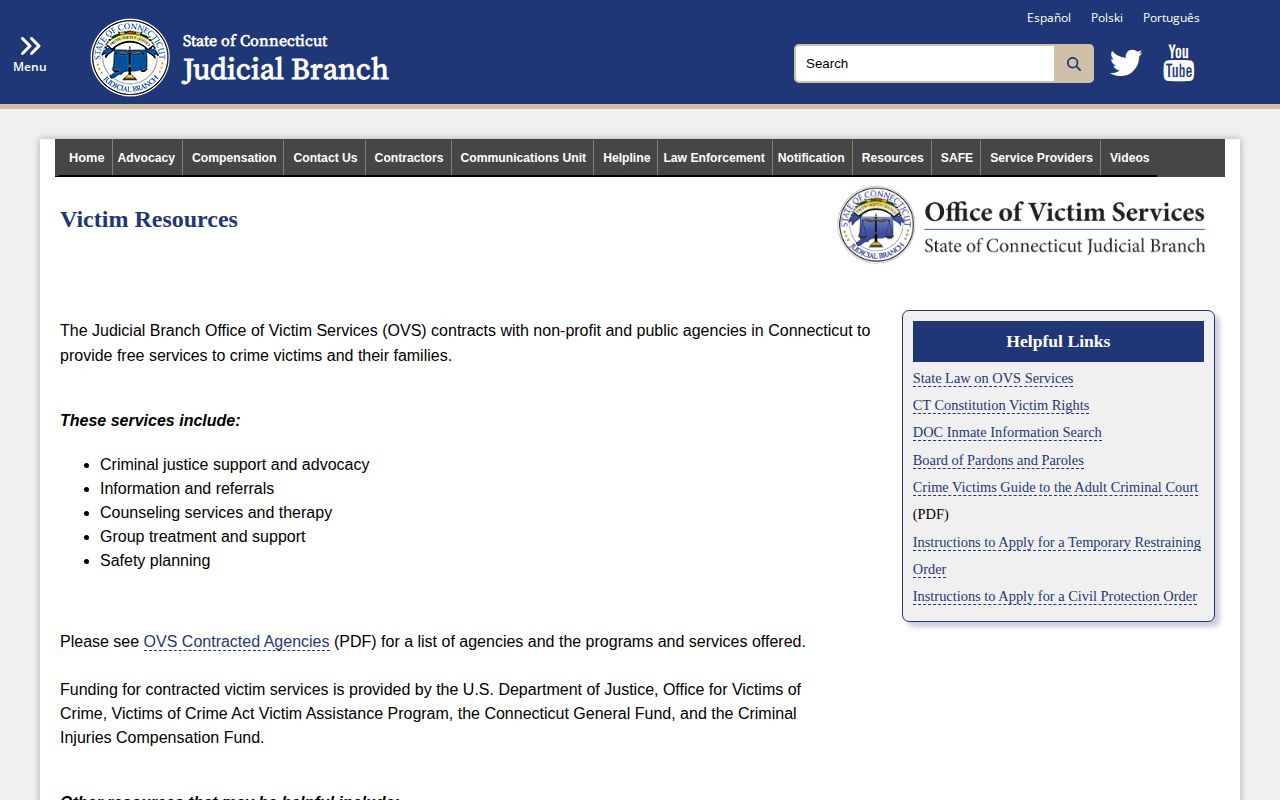
The official service page displays its own sign-up details without exposing any real person's search, phone, email, PIN, or alert history.
VINE Limits and Verification
VINE is notification infrastructure, not a live booking feed. A missing result may reflect release, a data delay, a spelling difference, a nonpublic category, an event not yet in court or custody records, or another jurisdiction entirely. For anything that matters, confirm status with the named custodian or the court. Call 911 if danger is immediate. Never confront someone over an alleged warrant or an online status.
Federal and immigration custody sit outside this system. The BOP locator and ICE locator handle those limited purposes. Federal pretrial custody may instead require the federal court, the U.S. Attorney, U.S. Marshals, counsel, or the detention facility holding the person.
Arrest Status Is Not Guilt
A booking charge is only the start of a case. It can be amended, dismissed, nolled, diverted, acquitted, or resolved with a conviction later. Some outcomes and disclosable documents are not posted online. For those, use the Judicial Branch disposition search and the clerk. Guard your VINE registration details, too. Never publish a registrant's PIN. The same goes for phone, email, alert history, victim or witness information, medical details, juvenile records, and unnecessary addresses. A shared name can fool anyone. Compare identifiers before treating a name-only match as final. Confirm important custody information through the responsible agency, and let court records settle the eventual outcome.
Choosing the Correct Official Channel
Where do you turn first? That depends on which agency handled the event. A Torrington Police arrest runs through the department's Records Division, which keeps police and accident reports and lists recordsdept@torringtonpd.org and 860-489-2020 as contacts. New Milford Police routes written arrest-report requests to its Records Department. Reach it at nmpdrecords@newmilfordpolice.org or 49 Poplar Street. Anything handled by Troop L or Troop B belongs to DESPP Reports and Records. Those offices hold the event files. VINE plays a different role, covering supported notification and status information rather than the underlying police record.
Current custody is a separate question. Search DOC with an inmate number when you have one. A name plus date of birth also works. DOC listings can include people awaiting trial alongside people serving sentences. Use the Judicial Branch pending-defendant lookup for pending cases. A docket number helps. It cuts down on mistaken identity. Closed matters need the separate disposition search. Confirm anything important with the clerk, because online case information is a public service rather than the official court record, and criminal documents generally come from the clerk or a Court Service Center.
Order matters here. A local arrest, a court case, and state incarceration are three separate stages. Someone released after processing can stay out of DOC even with an arrest record and court case on file. A VINE notice may fire later. Custody or court changes, not the original arrest time, often trigger it. Keep the event date, source, status, and retrieval time distinct instead of mashing several timestamps into one event.
When a VINE Match Is Missing
Start with the basics. Check spelling, aliases, and name order. Any identifier you can add helps. Next figure out whether municipal police or Connecticut State Police handled the event, then ask that record holder for the arrest or incident record with the date, location, people involved, and case number if known. Connecticut law makes specified adult arrest information public. Juvenile, erased, sealed, victim, witness, medical, and certain investigative material stays protected. Public access does not unlock every narrative or photograph.
Give timing its due. New Milford reports generally take five to seven business days, and arrest or incident reports require prior written notice. Torrington posts a per-page request route. The department warns that not every report is releasable. State Police press releases cover selected incidents, not a full Troop L arrest list. Weekends and processing time can separate an arrest event from its court entry, DOC status, or VINE record. There is no countywide refresh schedule to lean on.
Safety questions stand apart from records research. VINE supports confidential notification, but no automated system replaces an individualized safety plan or emergency response. Call 911 in an emergency. Release conditions, protection orders, hearings, and legal rights belong with the court, victim services, or counsel, so skip the screenshot or cached result when current status affects safety.